

1500s
Displacement During Ottoman Expansion
The advance of the Ottoman Empire forced many Croatians to flee their homeland. Large numbers resettled in neighbouring regions such as Italy, Austria, and Hungary, marking the first major group migration.
Pre-1800s
Early Seafaring Migration
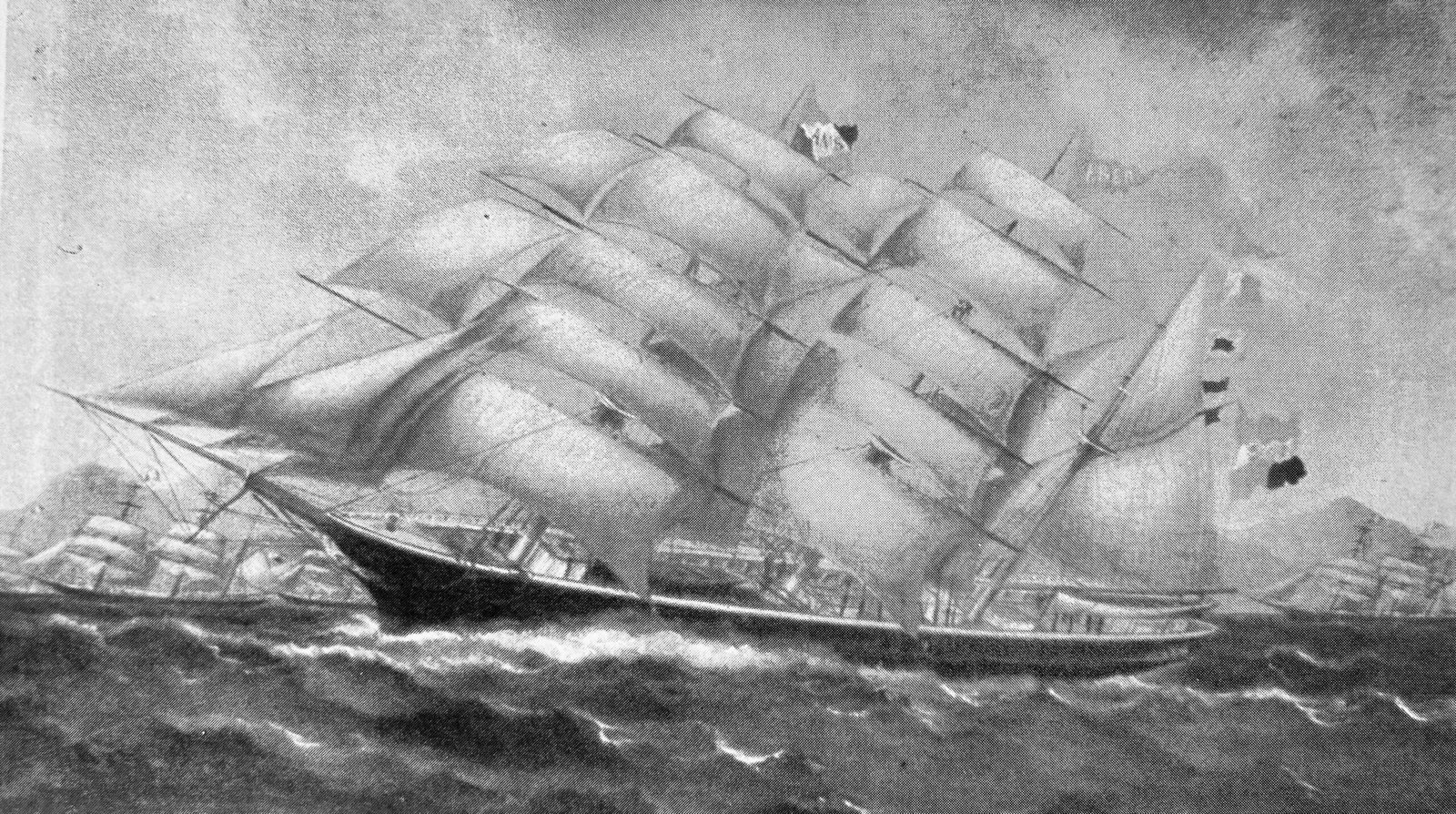
Croatian migration began with individual sailors and traders from coastal regions, where life revolved around the sea. These early movements were driven by maritime work rather than permanent settlement abroad.

1850s
Australia Becomes a Destination
News of Australian gold discoveries reached Croatia through sailors, visiting warships, and published travel accounts. Tomo Skalica’s 1856 writings about Sydney and the goldfields helped spark interest in migration to Australia.
1858
First Croatian Settler in Western Australia
Vicko Vuković, later known as John Vincent, arrived in Western Australia from the island of Šipanj. He became the first recorded Croatian settler in the state and later established a family before his death at sea.

1875–1876
The Stefano Shipwreck
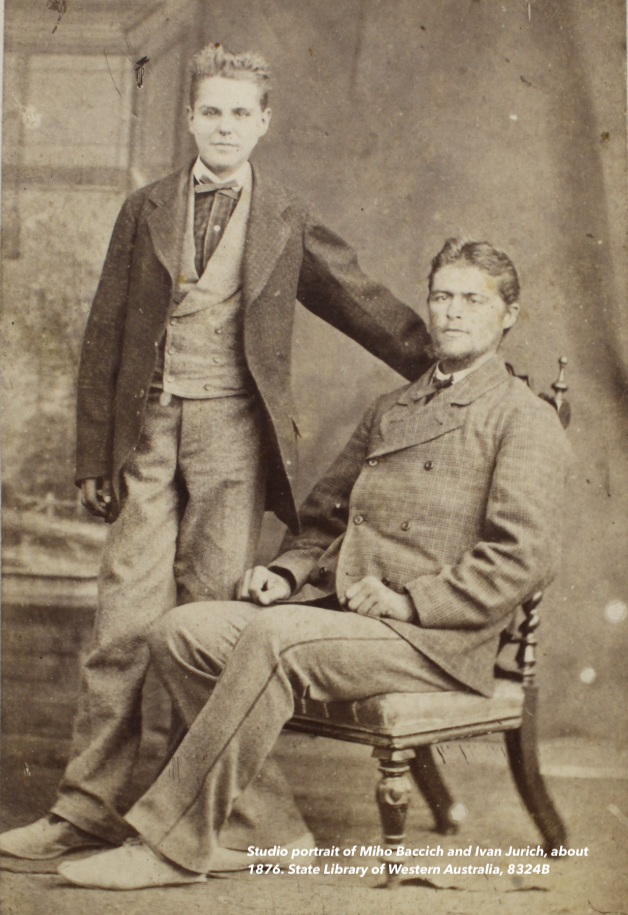
The Croatian barque Stefano was wrecked off the Western Australian coast, leaving its crew stranded. Two young survivors lived with Aboriginal communities for months, highlighting one of the earliest Croatian contacts with Indigenous Australians.
1891–1893
Wine Crisis and Agricultural Collapse
Trade agreements allowed cheap Italian wine into Austro-Hungarian markets, severely damaging Dalmatian wine-growers. Soon after, phylloxera destroyed vineyards, pushing many families into poverty and emigration.
1892
Gold Discoveries in Western Australia
Gold discoveries in Western Australia attracted Croatians from the homeland, New Zealand, and eastern Australia. Letters home describing success encouraged further migration, particularly from Dalmatian islands.
1892–1913
Building Lives on the Goldfields
Most Croatians initially worked as woodcutters, drivers, and labourers supporting the gold mining industry. Over time, small Croatian communities formed in Kalgoorlie, Fremantle, Spearwood, Osborne Park, and the Swan Valley.
1913
Croatian Slavonic Society Established
The Croatian Slavonic Society of Western Australia was founded in Boulder as a cultural and social hub. It supported language, music, sport, and growing political awareness within the Croatian community.
1914–1919
World War I and Its Consequences
During the war, many Croatians faced internment as enemy aliens, while others volunteered for military service. Deportations after the war sharply reduced the Croatian population in Western Australia.
1920s–1930s
Renewed Migration and Community Growth
Migration resumed through established settlement networks. By the early 1930s, thousands of Croatians lived in Western Australia, working in goldfields, market gardens, fishing, and vineyards.
1940s
War, Division, and Return Migration
World War II and post-war political changes caused divisions within the community. Many Croatians returned to Yugoslavia in the late 1940s, though a significant number later remigrated to Australia.
1950s–1980s
Post-War Expansion and Institutions
A new wave of migrants strengthened Croatian life in Western Australia. Sporting clubs, community centres, churches, and aged-care projects such as Villa Dalmacija were established through collective effort.
1990s onwards
Official Recognition in the Census
Croatians voted for independence which was recognised by the United Nations and all other major international organisation in May 1995. For the first time, the Australian Census recognised Croatia as a distinct country of birth. This acknowledgement reflected the long-standing presence and contributions of Croatians in Australia.

Today
A Respected and Enduring Community
Western Australians of Croatian descent are well integrated and respected. Their contributions span academia, medicine, engineering, agriculture, sport, and community leadership.
